

There is a danger in chasing something for long enough.
You become so focused on proving it can be done that you stop asking what happens if it actually is.
That thought has followed me through the
For months the work has been about legitimacy. History. Rights. Sites. Leagues. Investors. Planning. Making people understand this is a football club, not a nostalgia project.
That work matters.
But another question matters more.
If we build it, will we still recognise why we built it?
Football rarely loses its soul overnight.
It loses it one compromise at a time.
A sponsor here.
A decision there.
A meeting where supporters are no longer in the room.
A shortcut that looks harmless until it becomes policy.
That is how clubs drift away from the communities that gave them life.
I refuse to let that happen here.
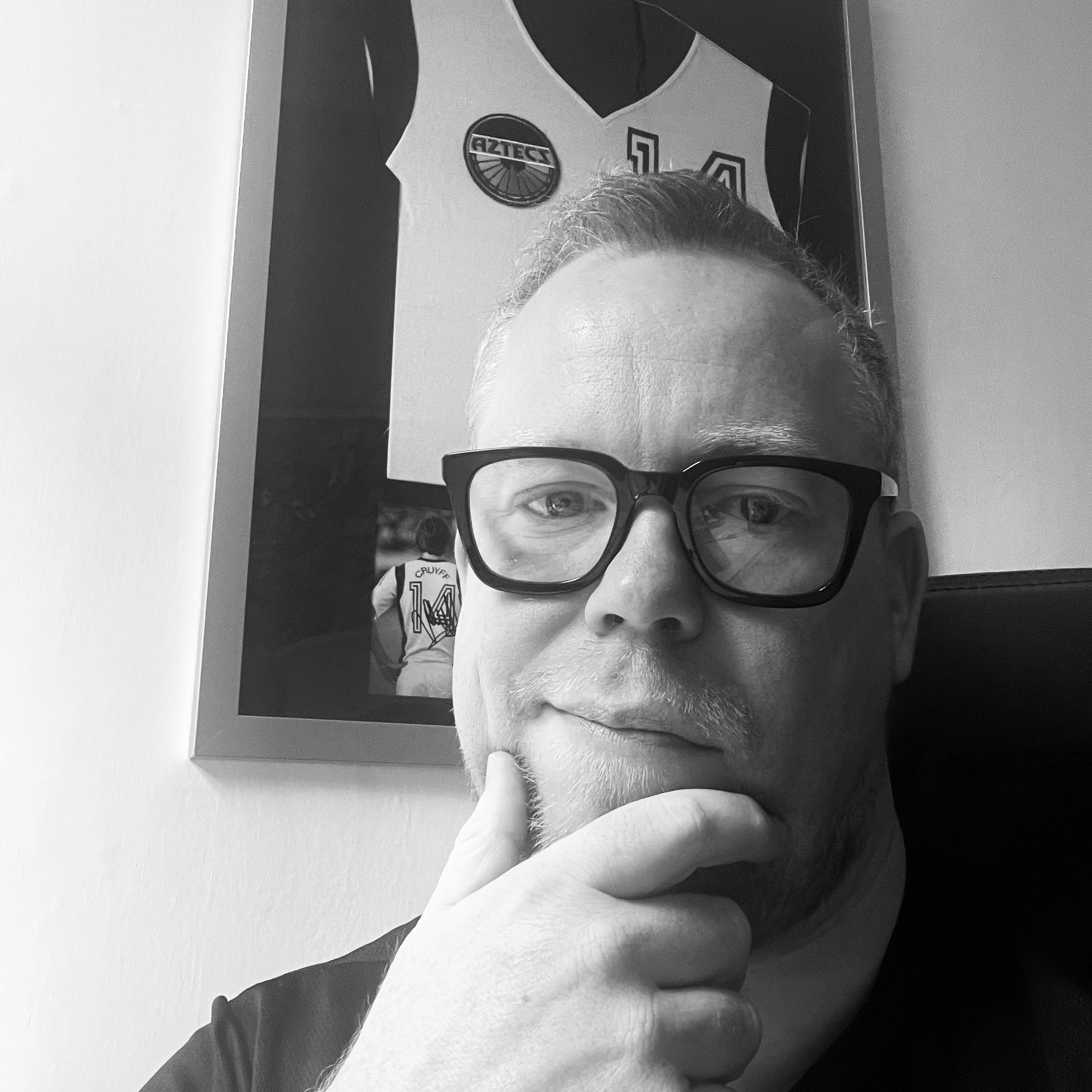
The Los Angeles Aztecs are not being rebuilt to become another football business that talks about fans while selling football back to them.
They are being rebuilt because football should belong somewhere.
To people.
To neighbourhoods.
To kids with talent but no connections.
To families who love the game before they ever buy a ticket.
That cannot just be a slogan.
It has to survive success.
Success is the dangerous part.
Everybody thinks the hard years are the test.
They are not.
The test begins when things start working.
When investors arrive.
When television arrives.
When somebody offers more money in exchange for more control.
When growth becomes addictive.
That is when principles become expensive.
Anybody can defend values when they cost nothing.
Character is revealed when they have a price.
So protect the culture before you need to.
Every major project needs rules that are bigger than its founder.
The Aztecs will have non-negotiables.
A permanent commitment to supporter representation.
A genuine pathway for local players regardless of income.
A home chosen because it serves the community, not simply because it is the cheapest deal.
Every investor, executive and partner should know those principles before they join.
Not after.
Culture should be written into the structure, not left to the mood of whoever owns the boardroom.
Because values that depend on personalities eventually disappear.
Founders can become the problem too.
That is the uncomfortable truth.
You can love an idea so much that you begin protecting your position instead of protecting the idea.
You become the bottleneck.
You confuse responsibility with control.
You mistake exhaustion for leadership.
Real leadership builds something that no longer depends on one person.
Football people should run football.
Commercial people should run commerce.
Good executives should be trusted to execute.
Supporters should always have a seat that money cannot buy.
My job is not to control every decision.
My job is to protect the reason the club exists.
Those are different jobs.
My definition of success has changed.
I still want the big dream.
A Los Angeles Aztecs team worth watching.
A permanent home.
A stadium with noise in it.
A pathway for players the system ignored.
A club that looks like Los Angeles because it belongs to Los Angeles.
But I am no longer interested in building something impressive if it becomes unrecognisable.
A valuation is not a legacy.
A full stadium is not a soul.
Winning an argument is not the same as winning a football club.
This is my reminder.
Build the structure that can survive you.
If you do not, the dream will eventually be run by the very forces you created it to resist.
That is the choice.
Everything else is detail.
One day I hope to sit in the stand, hear the crowd, watch the ball roll and remember this was always supposed to be football.
If I cannot enjoy that moment, then I built the wrong thing.