

In 2017, I found myself staring at the history of Stylo Matchmakers and realising I was not just looking at a football boot brand.
I was looking at a lost version of football.
A version before every club became a content company.
Before every player became a brand.
Before supporters became customer data.
Before football started speaking like a corporate strategy deck wearing a tracksuit.
Stylo Matchmakers had been there.
On the feet of the game.
Pelé.
George Best.
Kevin Keegan.
The rock stars of football before footballers were trained to sound like media managers.
But what pulled me in even deeper was not just the players.
It was the managers.
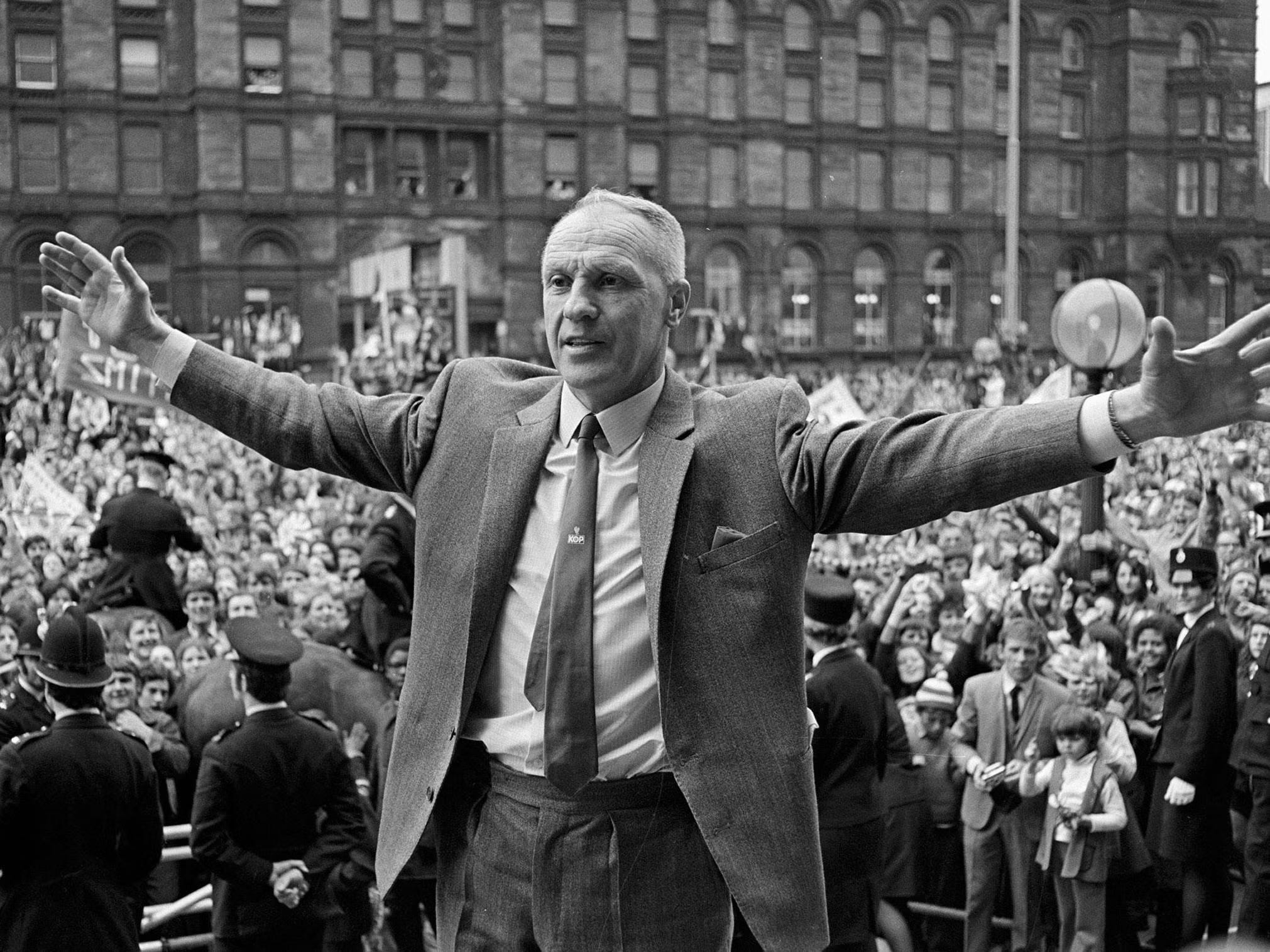
Bill Shankly.
Bob Paisley.
Joe Fagan.
Matt Busby.
Jock Stein.
Don Revie.
Brian Clough.
Men who built football clubs before football became an industry.
Men who understood that the badge was not a logo.
It was a responsibility.
When I took over Stylo Matchmakers, most people would have studied footwear brands.
I studied those men.
Not because I wanted to become a football manager.
Because I wanted to understand how great institutions are built.
And this was not abstract research.
It was physical.
I was looking at old Stylo Matchmakers boots.
The shape of them.
The leather.
The stitching.
The weight.
The kind of boot that looked like it had been made for mud, not Instagram.
I was looking at old catalogues, old photographs, old adverts and old stories.
Not polished nostalgia.
Evidence.
You could see the game in them.
You could see the difference between football as life and football as lifestyle.
Those boots were not designed to be content.
They were designed to be worn.
To be kicked.
To be soaked.
To be cleaned after a match and worn again.
That is what pulled me in.
The brand was not just telling me football had changed.
The product was.
The old boots felt like they came from a game that expected something from you.
Standards.
Responsibility.
A bit of courage.
A bit of pain.
A bit of pride.
And when I looked at those boots, then looked at modern football, I could feel the distance.
That was when the whole thing became personal.
I was not just rebuilding a brand.
I was holding proof that football once had more balance.
I respected Shankly, Paisley, Fagan, Busby, Stein, Revie and Clough before 2017.
But after taking over Stylo, I studied them properly.
Not formations.
Not tactics.
Culture.
Belief.
Standards.
Leadership.
How does a football club become more than a team?
How does a manager become more than a coach?
How does a boot become more than leather and laces?
How does a brand become part of people’s identity?
That was the real lesson.
The old football was not perfect.
The 1970s were not some golden land where everything was fair, pure and beautiful.
Stadiums were rough.
Facilities were poor.
Players earned less than they deserved.
The game had problems.
But it still had balance.
That is the word.
Balance.
Football made money.
But money had not yet swallowed football.
The game was commercial.
But it had not been completely consumed by commercialisation.
Football was not life.
But it was part of life.
That is a huge difference.
It sat alongside work.
Family.
The pub.
The factory.
The street.
The town.
The city.
It belonged to ordinary people because ordinary people built it.
Clubs represented places.
Not markets.
Places.
Liverpool.
Leeds.
Glasgow.
Manchester.
Derby.
Not content engines.
Not engagement platforms.
Not customer data systems.
Places.
That is what modern football has lost.
Not all of it.
But enough to matter.
The game has more money than ever.
More cameras.
More data.
More analysts.
More sponsors.
More global reach.
More everything.
Yet many supporters feel further away from their clubs than ever before.
The clubs know the customer.
But do they still know the supporter?
The player has more followers.
But does he still feel close to the crowd?
The broadcaster has more technology.
But does the coverage still have soul?
That is why I hate what modern football has become.
Not because I hate progress.
Not because I want bad pitches, broken floodlights and cold showers back.
Because somewhere along the way, football confused growth with greatness.
It confused audience with community.
It confused content with culture.
It confused money with meaning.
People often ask what Shankly, Busby, Clough, Stein, Paisley, Fagan or Revie would think of modern football.
They would not all say the same thing. Some would admire the pitches, the sports science, the facilities, the professionalism and the global audience. None of them were anti-progress. None of them wanted football frozen in time. But I suspect they would all arrive at the same conclusion: football has gained money and lost balance.
Shankly would hate seeing ordinary supporters priced out of the game they built. Busby would admire the scale, but question why so many clubs now feel like media companies rather than communities. Clough would have no patience for corporate language, media training and personal branding. He would probably tell half the executives running football exactly what he thought of them before lunch.
Revie would appreciate the detail and preparation, because he was ahead of his time there. But he would still demand toughness, accountability and standards. Stein would recognise a game becoming detached from the communities that gave it life. Paisley and Fagan would probably say the least, but see the most. They would wonder why football has become so loud, why everyone is talking, and why nobody seems to be listening.
And that is why I still find myself drawn to old-school voices like Graeme Souness, Martin O’Neill and Neil Lennon. Not because they are always right. They are not. Not because they are perfect. They are not. But because they speak from a football world built on pressure, responsibility, dressing rooms, standards and human beings.
Modern football talks about profiles.
The old school asked if you had bottle.
Modern football talks about assets.
The old school talked about shirts.
Modern football talks about platforms.
The old school talked about supporters.
That is the gap.
The gap between football as a product and football as a way of life.
When I took over Stylo Matchmakers, I thought I was rebuilding a boot brand.
Looking back, I was really studying why football once meant so much more than money.
The boots led me to the managers.
The managers led me to the culture.
The culture led me to the question that still sits underneath almost everything I write.
Who is football actually for?
Because once you understand Shankly, you understand that football was never just eleven players on a pitch.
It was the city.
The crowd.
The workers.
The families.
The songs.
The pride.
The shared madness of caring far too much about something that makes no logical sense but somehow explains everything.
That is why the great managers still matter.
Not because of nostalgia.
Because they understood belief.
The trophies were the result.
The culture came first.
That is the lesson I took from Stylo Matchmakers.
If you want to build something that lasts, do not start with marketing.
Start with meaning.
Do not start with content.
Start with culture.
Do not start with customers.
Start with believers.
That is what Shankly understood.
That is what Busby understood.
That is what Clough understood.
That is what Stein, Revie, Paisley and Fagan understood.
And that is what modern football forgets at its own risk.
Because without belief, all you have is a product.
And football was never meant to be just a product.
I did not take over Stylo Matchmakers because I wanted to sell boots.
I took it over because I wanted to understand why football once meant so much more than money.