

Football did not collapse.
It was refinanced.
Quietly. Professionally. Relentlessly.
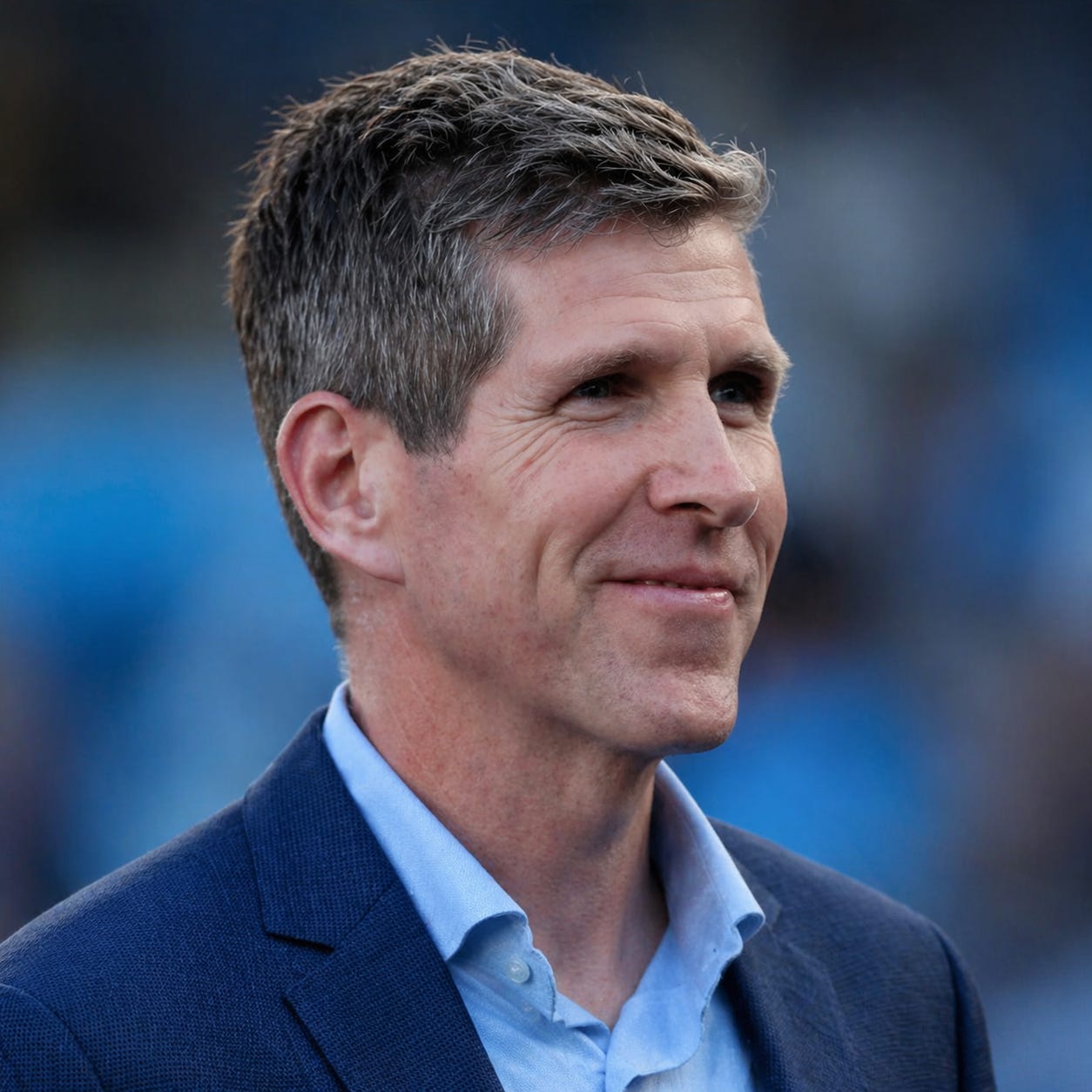
Men like Robert Platek did not storm the game. They entered through capital.
Loans. Credit. Leverage.
That is where the story really starts.
Follow the money, not the narrative
Modern ownership is no longer about buying clubs.
It is about financing them first.
Capital networks tied to firms around Michael Dell, through vehicles like MSD, have deployed hundreds of millions into football lending, often secured against club assets, including stadiums.
That matters.
Because debt is not neutral.
Debt creates pressure. Pressure creates decisions. Decisions shift control.
When clubs cannot service loans, power moves.
Not to supporters.
To capital.
The private equity playbook
Private equity does not invest emotionally.
It invests structurally.
It looks for:
-
undervalued assets
-
fragmented markets
-
predictable cash flow
Football fits perfectly.
According to UEFA, European club revenues exceed €25 billion annually. According to Deloitte, revenues keep rising — alongside debt.
Football is growing.
But it is not getting healthier.
Fans do not churn.
They stay.
That makes football one of the most reliable demand engines in global sport.
So capital enters.
Not to build culture.
To optimise yield.
The pattern is not bad luck
Look at outcomes, not intent.
-
Spezia Calcio — relegated after ownership cycle
-
SønderjyskE — relegated, then exited
-
Multiple clubs across Europe now carrying significant debt burdens
This is not bad luck.
This is what happens when you run football clubs like financial instruments.
You stabilise the numbers.
You destabilise everything else.
One relegation costs tens of millions. One bad ownership cycle can set a club back a decade.
The next layer: culture as a product
Now comes the evolution.
Partnerships with Roc Nation. Names like Jay-Z attached.
A global icon. A powerful brand. A polarising figure.
But not football.
This is not about belonging.
It is about reach.
Trying to bolt culture onto a system that has already stripped it out.
And football fans see through that instantly.
The debt reality
Across the game, the numbers are rising.
-
English top-flight clubs have reported over £4 billion in combined debt
-
Wage-to-revenue ratios in many clubs exceed 70%
That is not stability.
That is dependency.
And dependency always has an owner.
Football doesn’t need saving
This is the part most people get wrong.
Fans already fund football.
-
They buy tickets
-
They pay for subscriptions
-
They buy shirts
-
They create the attention sponsors pay for
The entire system is built on them.
Private equity does not inject football with life.
It inserts itself between the money and the club.
And takes a share of the upside.
Yes, clubs are expensive to run.
-
Player wages dominate costs
-
Transfers are inflated
-
Infrastructure requires investment
But those costs are not proof that fans cannot sustain clubs.
They are proof the system is misaligned.
Private equity does not fix that.
It often increases the pressure to grow faster, spend more, and chase returns.
That leads to:
-
short-term thinking
-
higher risk
-
greater instability
Football doesn’t need new money.
It needs the right control over the money it already generates.
Germany saw this coming
Look at Bundesliga.
The 50+1 rule.
Fans retain majority voting rights.
It is not perfect. FC Bayern Munich dominate. There are exceptions.
But it is aligned.
German football consistently delivers:
-
higher attendances
-
more affordable tickets
-
stronger community connection
Alignment beats optimisation in football.
Every time.
Two models. One outcome.
Football is splitting.
Model one
-
investor controlled
-
debt influenced
-
globally optimised
-
culturally diluted
Model two
-
supporter influenced
-
locally rooted
-
financially disciplined
-
emotionally aligned
One grows faster.
One lasts longer.
The line we are drawing
Here is the part most avoid.
Football Is For The Fans will not take private equity investment.
Not because it is unavailable.
Because it is incompatible.
You do not take that money and keep control. You do not take that money and stay aligned with supporters. You do not take that money and protect identity.
You build something that belongs to investors.
That is the trade.
We are not making it.
The uncomfortable truth
Private equity is not evil.
It is efficient.
But efficiency applied to football strips out the very thing that makes it valuable.
Meaning. Identity. Belonging.
Once those go, the game still runs.
But it stops mattering.
Final line
Football does not need better owners.
It needs fewer of the wrong ones.
And until that changes, the game will keep getting richer…
…and feeling poorer.