

u
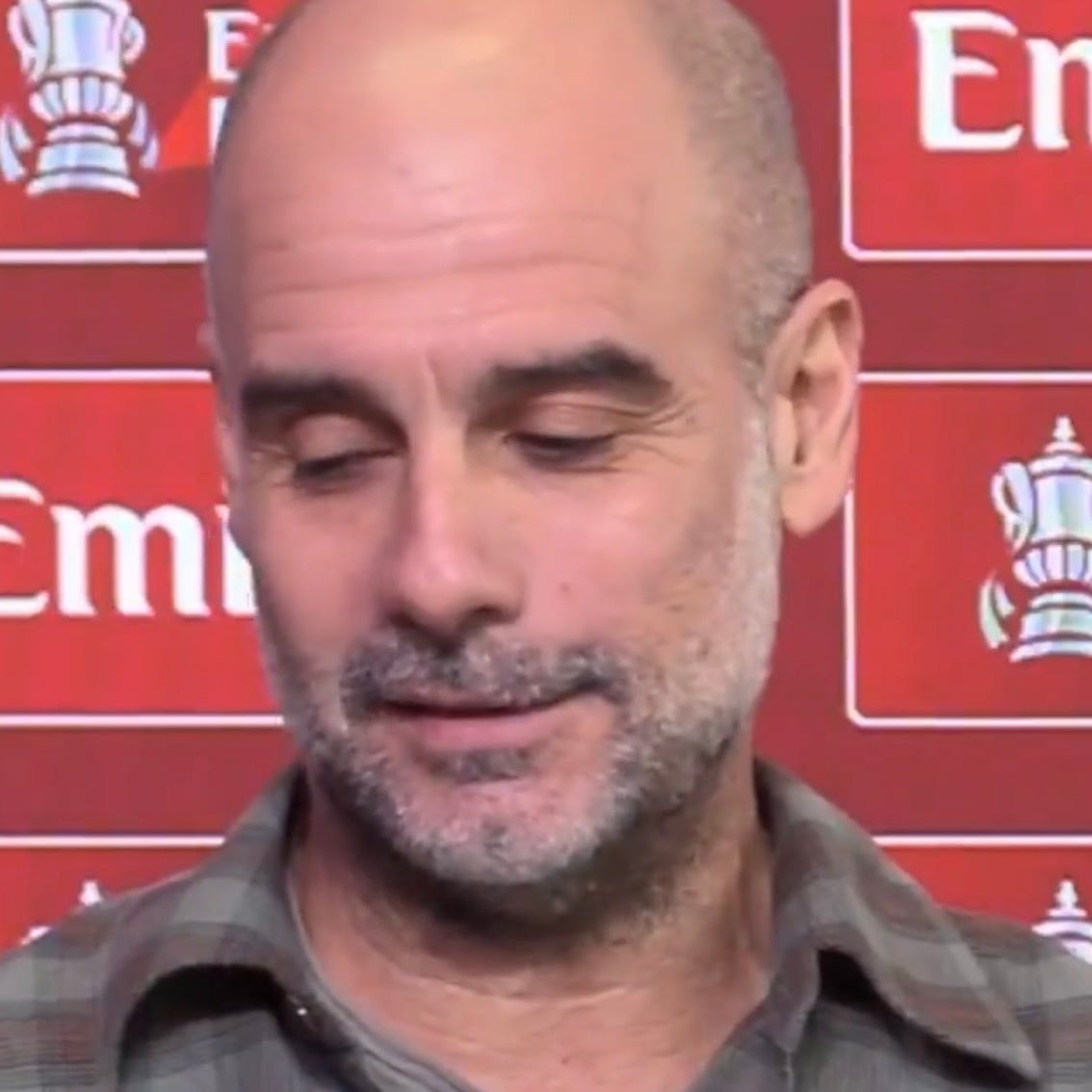
Why Pep Guardiola’s Response Matters — And Why Football Must Stay Bigger Than Politics
Football has always been tribal.
But it was never meant to be political.
The noise around Jim Ratcliffe and Pep Guardiola isn’t really about two men disagreeing. It’s about something more uncomfortable — the moment football starts absorbing the same divisions that already exist everywhere else.
And when that happens, the game loses something essential.
Because football works precisely because it gives people a place where those divisions don’t matter.
The Game Was Built on Difference
Football didn’t become the world’s game by closing itself off. It grew because it welcomed difference.
Different countries. Different languages. Different ideas about how the game should be played.
Walk into any professional dressing room and you’ll see it immediately. Players from everywhere, backgrounds that don’t match, beliefs that don’t align — all pulling in the same direction once the whistle blows.
That isn’t ideology. That’s football.
Pep Guardiola’s response resonated because it reflected this reality. The modern game exists because people move, ideas travel, and talent crosses borders. Football succeeds when it ignores the lines that divide people outside the stadium.
That’s why supporters understood the sentiment instantly.
The Risk When Owners Enter Political Space
Modern football owners operate close to politics whether they want to or not. Stadium developments, infrastructure, regeneration projects — all of it overlaps with government and public life.
But operating around politics is not the same as bringing politics into football’s identity.
Once ownership language becomes associated with party-political narratives, the club inevitably gets dragged into arguments that have nothing to do with football. Supporters stop arguing about tactics and start arguing about ideology.
And that’s where unity disappears.
Football clubs are one of the last places where people who disagree about almost everything still stand together. That only works when the badge comes first.
When politics becomes louder than the badge, the club gets smaller.
Why Pep’s Position Landed
Guardiola didn’t speak as a politician. He spoke as someone shaped by football’s international culture.
The game has always thrived on openness. English football itself was transformed by foreign players, foreign coaches, and foreign ideas long before the Premier League turned it into a global product.
Football didn’t become stronger by narrowing itself. It became stronger by expanding.
That’s the instinct Pep was defending — whether intentionally or not.
Not a political side. A football truth.
Manchester United’s Real Problem
Manchester United’s crisis isn’t political. It’s cultural.
For years the club has lacked clarity about what it stands for. Too many resets. Too many strategies. Too much noise from above. When identity fades, outside arguments rush in to fill the space.
That’s why this moment feels bigger than a comment or a response. Supporters sense the club drifting into conversations that don’t unite them.
And supporters instinctively resist that.
Because they understand something football sometimes forgets:
Owners are temporary. Clubs are not.
The Line Football Shouldn’t Cross
Football became powerful because it ignored the lines politicians draw. The moment clubs start reinforcing those lines, the game stops belonging to everyone.
And once football stops feeling shared, it stops feeling like football.
Pep’s words mattered because they defended that shared space. Not perfectly. Not politically. But instinctively.
The warning for the modern game is simple.
Football doesn’t need more division imported from outside.
It needs protecting from it.
Because the moment supporters start seeing each other as opponents instead of allies, the game itself has already lost.
Football should be common ground.
Not another argument.