

England have a squad worth more than £1 billion.
Against Ghana, they looked like eleven strangers waiting for a bus.
That is the problem.
Not talent.
Not effort.
Not even tactics.
Chemistry.
England had almost 80% possession.
They completed hundreds more passes than Ghana.
They spent most of the game camped in Ghana’s half.
Yet they never truly controlled the match.
That sounds contradictory.
It isn’t.
Possession is having the ball.
Control is making the opponent afraid of what you might do with it.
Ghana were not afraid.
They were organised.
They were compact.
They protected the middle and asked England the question that decides tournaments:
Can you break us down?
England did not answer it.
For long spells, they looked trapped in an infinite loading screen.
Sideways.
Backwards.
Recycle.
Reset.
Repeat.
Football by committee.
Death by PowerPoint.
That is not patience.
That is paralysis.
The modern game has become obsessed with structure.
Every player knows where to stand.
Every player knows when to press.
Every player knows which zone to occupy.
But football is not great because players remember instructions.
Football becomes great when players stop needing them.
The best international sides look like they are reading each other’s minds.
Spain had Xavi, Iniesta and David Silva.
France had Zidane.
England had Gascoigne.
Brazil in 1970 had players who passed to spaces before the spaces existed.
That was not formation.
That was connection.
Those teams did not just pass to feet.
They passed to intention.
England do not look like that yet.
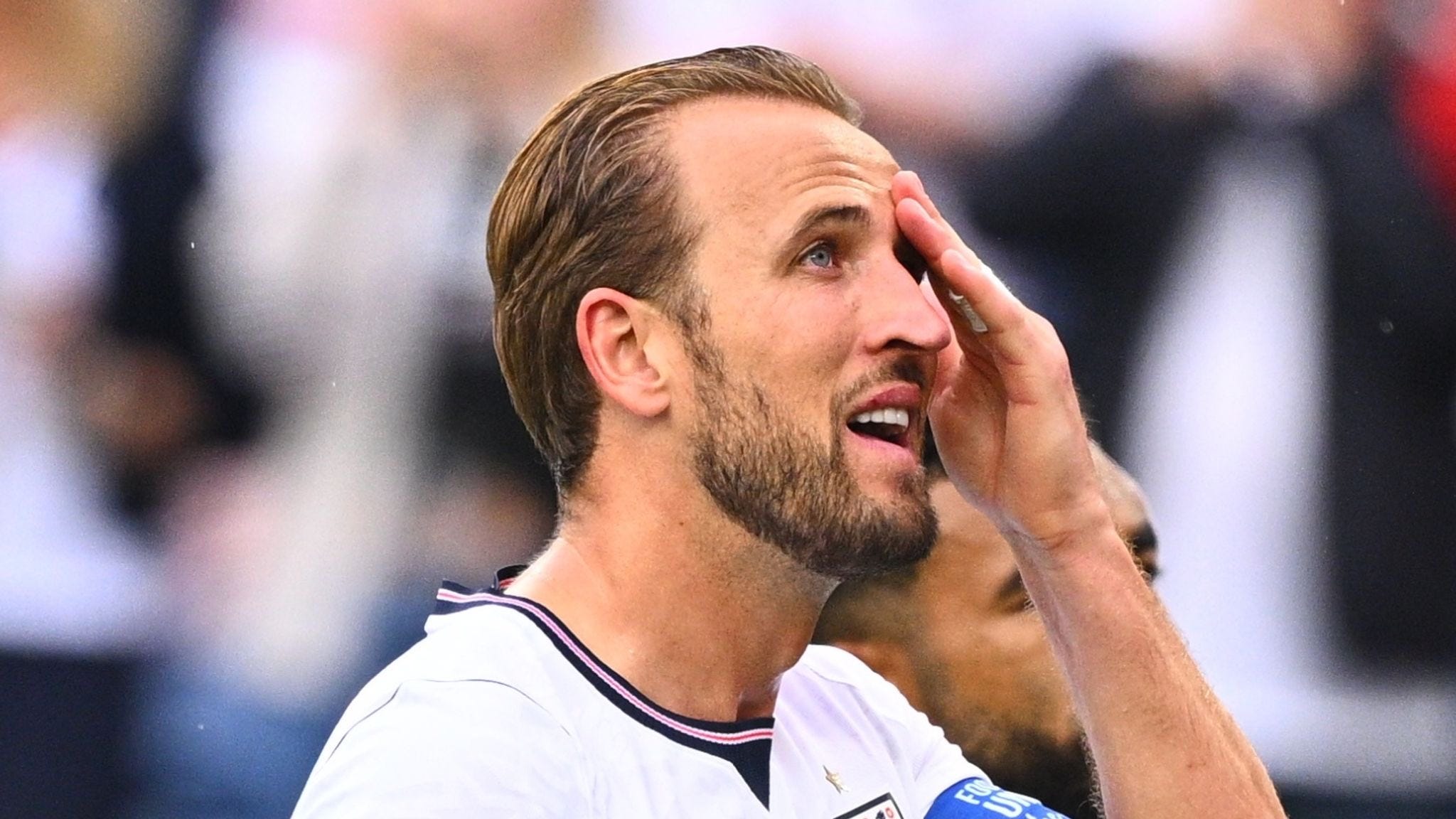
The clearest evidence was Harry Kane.
One of England’s greatest finishers spent too much of the match dropping into midfield searching for the ball.
That should set alarm bells ringing.
When your striker becomes your playmaker, something has broken.
At Tottenham, Kane had Son.
One dropped.
One ran.
One saw.
One moved.
It became instinct.
With England, Kane drops, looks up, and too often sees a waiting room.
So he comes deeper.
England lose their focal point.
The ball goes wide.
Then backwards.
Then sideways.
Then the whole move restarts.
England have become a team of restarts.
That is not a Kane problem.
It is a chemistry problem.
This is why the selection debate matters.
Cole Palmer sees passes others do not.
Trent Alexander-Arnold can switch an attack with one touch.
Adam Wharton plays forward naturally.
Marcus Rashford forces defenders to turn and run.
Against deep defences, those qualities are not luxuries.
They are necessities.
Low blocks are not beaten by good manners.
They are beaten by surprise.
A disguised pass.
A quick switch.
A runner beyond the striker.
A player brave enough to lose the ball trying to win the game.
England looked too polite.
Too careful.
Too rigid.
Too concerned with keeping control.
The irony is that tournament football often rewards the opposite.
The teams we remember are rarely the safest.
They are the bravest.
What worried me most was not physical fatigue.
It was mental fatigue.
England did not look exhausted.
They looked burdened.
Mental strain creates safe decisions.
One extra touch.
One extra pass.
One extra second.
At elite level, that is enough to kill an attack.
You could almost see England thinking.
The great sides stop thinking.
They start feeling.
That is chemistry.
Not friendship.
Not dressing-room photos.
Not social media clips.
Chemistry is speed.
Chemistry is trust.
Chemistry is knowing where the pass is going before the ball arrives.
Chemistry is turning eleven players into one football brain.
Right now, England look like eleven brilliant individuals.
The best tournament teams look like a band.
England sound like eleven solo artists sharing a stage.
And here is the danger.
Ghana may have handed every future opponent the blueprint.
Let England have the ball.
Stay compact.
Protect the middle.
Wait.
Wait longer.
See if someone can unlock the door.
Against Ghana, England had the keyring.
They never found the key.
That does not mean England cannot win the World Cup.
The talent is there.
The depth is there.
The manager is there.
The opportunity is there.
But tournaments are not won by collecting talent.
They are won by creating understanding.
The history of football is littered with brilliant squads that never became brilliant teams.
That is England’s challenge now.
Not another system.
Not another analyst.
Not another tactical diagram.
Telepathy.
Because when the quarter-final arrives and a disciplined side says:
“Fine. Have 75% possession. Break us down.”
England will not need more control.
They will need connection.
Possession will not save England.
Chemistry might.